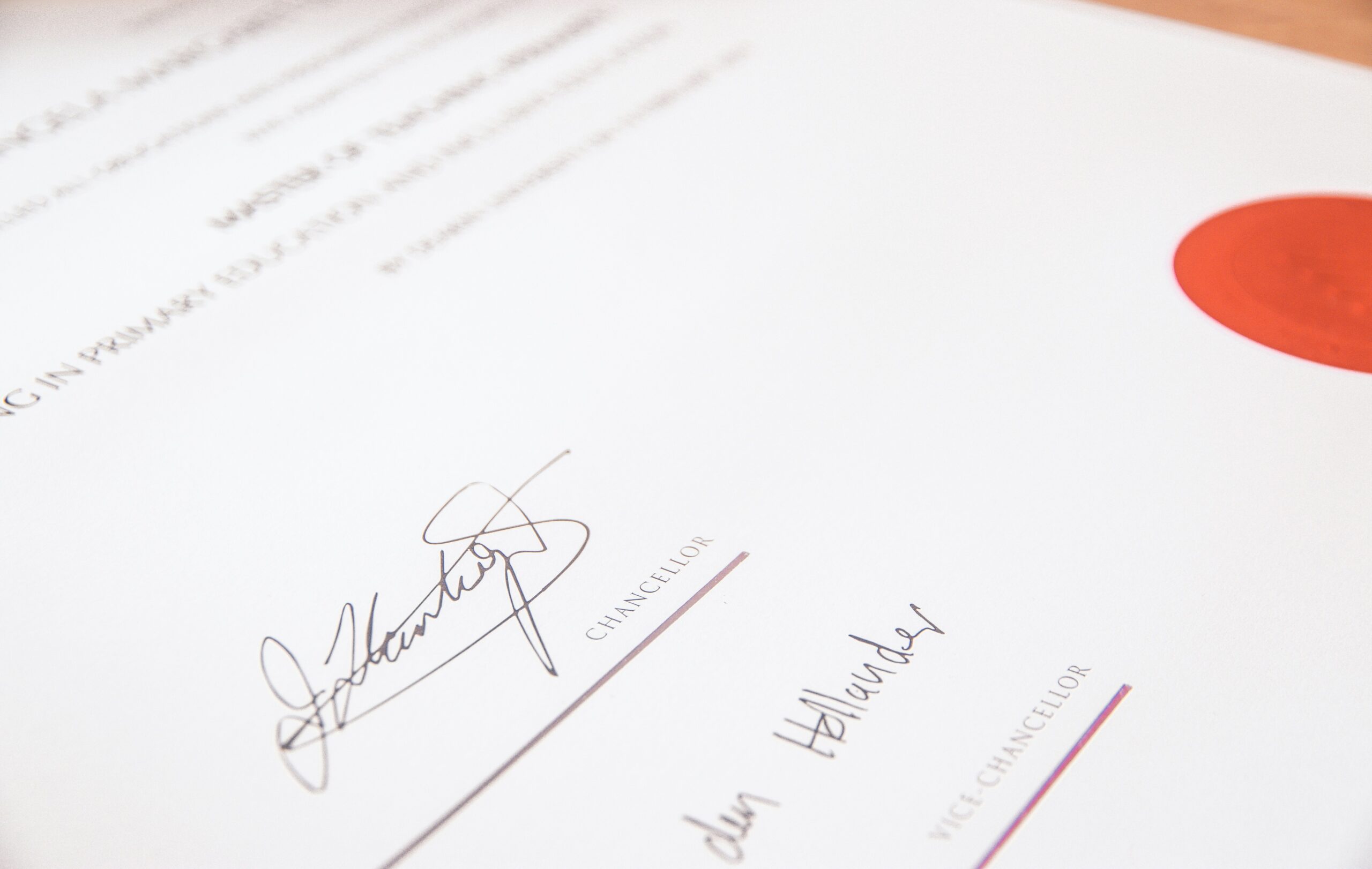

Vietnam formally joins the Hague Apostille Convention on September 11, 2026, making Vietnam the 129th Contracting Party. This accession represents one of the most significant administrative reforms in Vietnam’s recent legal history, directly affecting how individuals, businesses, and foreign investors authenticate documents for cross-border use.
For decades, anyone needing to use a foreign document in Vietnam, or a Vietnamese document abroad, faced a multi-step legalization chain involving notarization, home-country authentication, and embassy or consular certification. That era is ending for documents moving between Vietnam and the Convention’s other contracting states. The Vietnam Apostille Convention implementation is expected to simplify document authentication, cut costs, and speed up processing for work permits, business registration, immigration filings, and international transactions.
What Is the Apostille Convention?
The Apostille Convention — formally the Hague Convention of 5 October 1961 — is an international treaty that streamlines authentication of public documents used across borders between member states. Instead of a multi-layer consular legalization process performed first in the issuing country and then again in the receiving country, documents are validated through a single Apostille certificate issued by a designated authority in the country of origin.
An apostille certifies the authenticity of a signature, the capacity in which the signatory acted, and the identity of any seal or stamp on the document. It does not certify the accuracy of the document’s content or the legality of the underlying transaction. Once affixed, the apostille is accepted at face value by every other Contracting State, without further consular involvement, in relationships where the Convention is in force.
How the Apostille Process Works
- The document is submitted to the designated competent authority in the issuing country.
- The authority verifies the origin of the document (signature, seal, capacity of signatory).
- An apostille certificate is attached to the document.
- The apostilled document is then recognized in any other Contracting State where the Convention applies in relation to the issuing state, with no further legalization needed.
Vietnam Apostille vs. Consular Legalization
The shift from consular legalization to the apostille system is a substantial simplification, though it is not a wholesale replacement. Several exclusions and conditions still apply.
| Element | Until September 10, 2026 | From September 11, 2026 |
|---|---|---|
| Process steps | Notarization/certification in issuing country → home-country ministry authentication → Vietnamese consular legalization | Single apostille issued by the originating state’s competent authority |
| Issuing authority in Vietnam | Consular Department (Hanoi) / Ho Chi Minh City Department of Foreign Affairs for legalization | Ministry of Foreign Affairs, with delegation to provincial people’s committees planned for 2027–2030 |
| Processing time | Often weeks to months | Standard 1–4 working days, up to 10 working days if verification is needed or volume is high |
| Translation requirement | Certified Vietnamese translation required | Still required — the apostille replaces authentication only, not translation |
| Commercial/customs documents | Existing legalization channel | Excluded from the Convention under Article 1 — unchanged |
| Diplomatic/consular documents | Existing legalization channel | Excluded under Article 1 — unchanged |
Key Benefits of the Vietnam Apostille Convention
Simplified Document Authentication
A single apostille replaces the multi-step legalization chain for eligible public documents, cutting out embassy-level authentication for documents from member states. This removes the need to navigate multiple government offices in both the issuing and receiving countries.
Cost Reduction
Fewer procedural steps translate into lower notary, consular, translation-coordination, and courier expenses — a meaningful saving for companies relocating staff or managing recurring cross-border paperwork. Standard processing under Decree 293 is set at just one to four working days in normal cases.
Faster Processing for Immigration and Business Filings
Vietnam’s accession is expected to reduce administrative layers specifically in immigration matters, benefiting work permits, visas, and related filings. Business registration, corporate licensing, and cross-border investment transactions should also see fewer bottlenecks.
Electronic Apostille (e-Apostille) Infrastructure
Decree 293 establishes a legal basis for electronic apostilles and online verification via QR code or electronic register lookup, alongside submission through the National Public Service Portal. Full electronic rollout follows a phased implementation roadmap rather than a single launch date.
Bilateral Advantages for Vietnamese Nationals and Businesses
Vietnamese public documents intended for use abroad will similarly receive an apostille rather than requiring consular certification, easing outbound business activity, education, and employment for Vietnamese citizens. Vietnamese companies expanding internationally gain simplified document verification in participating Convention states.
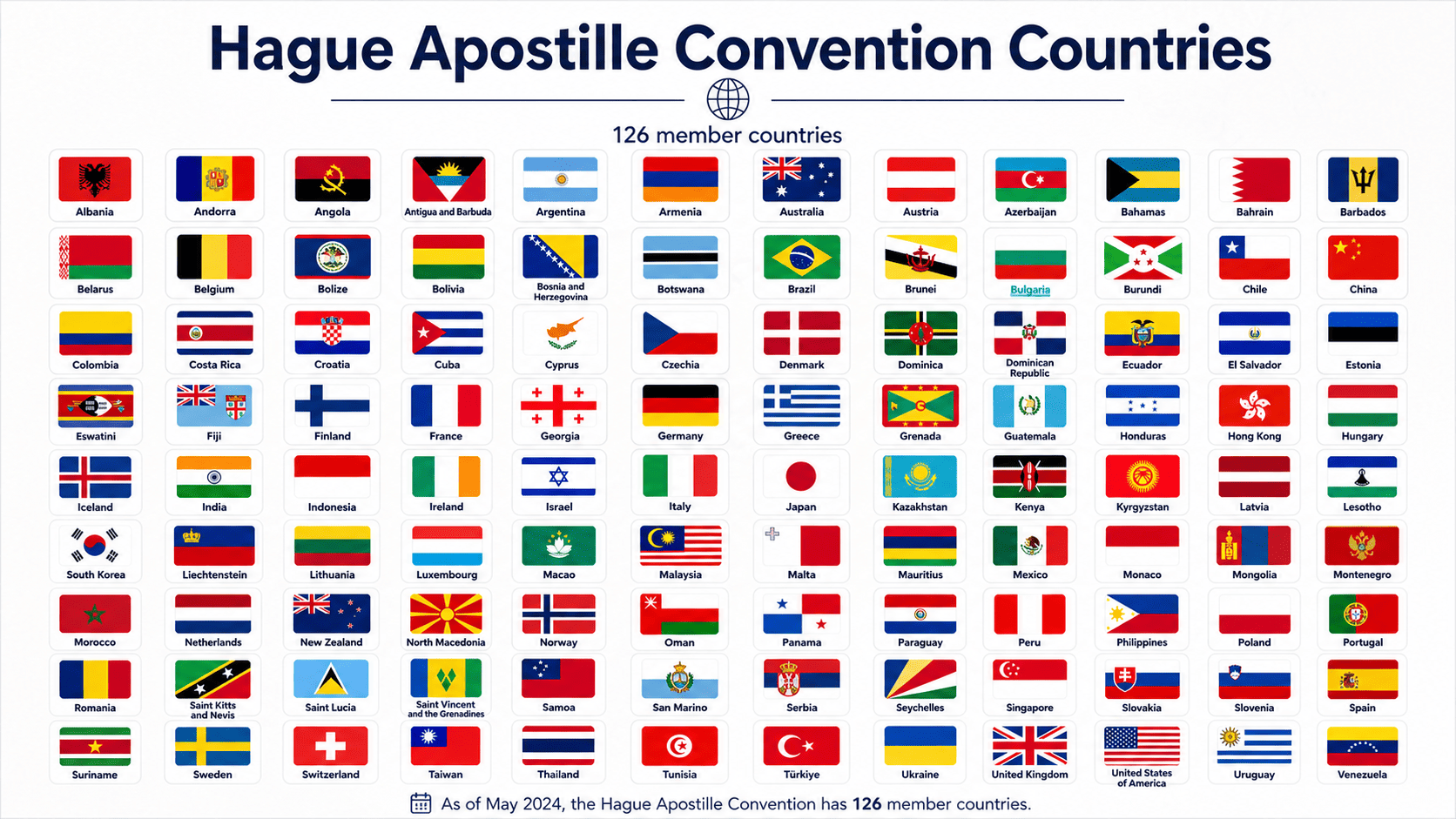
Who Benefits from the Vietnam Apostille Convention?
- Foreign professionals and expatriates: Work permit applications, criminal record checks, and diploma verification move faster with lower cost.
- Multinational corporations: Lower administrative overhead, faster employee onboarding, and more predictable relocation timelines for cross-border staff transfers.
- Investors and entrepreneurs: Reduced friction for foreign investor registration, corporate documentation, and licensing filings tied to incorporation or M&A activity.
- Vietnamese businesses going global: Simplified authentication of Vietnamese corporate and civil documents when dealing with the other 128 Convention members.
- Individuals with personal documents: Birth, marriage, and educational certificates issued abroad become easier and cheaper to use in Vietnam, and vice versa.
Which Documents Are Covered by the Vietnam Apostille Convention?
Eligible “public documents” under Decree 293 and the Convention include:
- Court and procedural documents issued by judicial authorities
- Civil status documents (birth, marriage, death certificates)
- Criminal record certificates
- Diplomas, transcripts, and academic qualifications
- Medical documents and administrative certificates
- Notarial acts and certified documents, including certification of signatures on private documents
- Corporate and administrative documents such as certificates of incorporation and business registration filings
Excluded from apostille certification: documents executed by diplomatic or consular agents, and administrative documents dealing directly with commercial or customs operations.
How KoreanApostille.com Can Assist With Vietnam Apostille and Embassy Legalization Services
Navigating document authentication across Vietnam, Korea, and beyond requires expertise in both the new apostille systems and the enduring embassy legalization pathways for non-Hague countries. KoreanApostille.com provides comprehensive solutions tailored to your specific needs.
Our Apostille Services
Vietnam Apostille Services (Effective September 11, 2026)
- Full-service apostille processing for all document types
- Direct coordination with designated Vietnamese government authorities
- Online portal submission management to ensure timely processing
- Expedited options when critical timelines demand faster turnaround
- Document verification to ensure apostille eligibility before submission
- Courier services including secure international delivery
For destinations outside the Hague Convention, including UAE, Qatar, Saudi Arabia, Thailand, Malaysia, Myanmar, and others – Embassy Legalisation of Korean Documents: The Complete Guide for Non-Hague Countries
Vietnam’s entry into the Hague Apostille Convention is a meaningful administrative reform for cross-border documents. For eligible public documents exchanged with applicable Convention states, a single apostille can replace a multi-stage consular legalization process.
The strongest practical message for readers is not that all paperwork becomes automatic. Rather, it is that the international authentication step becomes simpler for many documents, while translation, document-specific rules, destination-country requirements, and receiving-authority checks may still apply. Businesses, expatriates, investors, and Vietnamese citizens should verify the document type, issuing country, and intended use before relying on an apostille route.