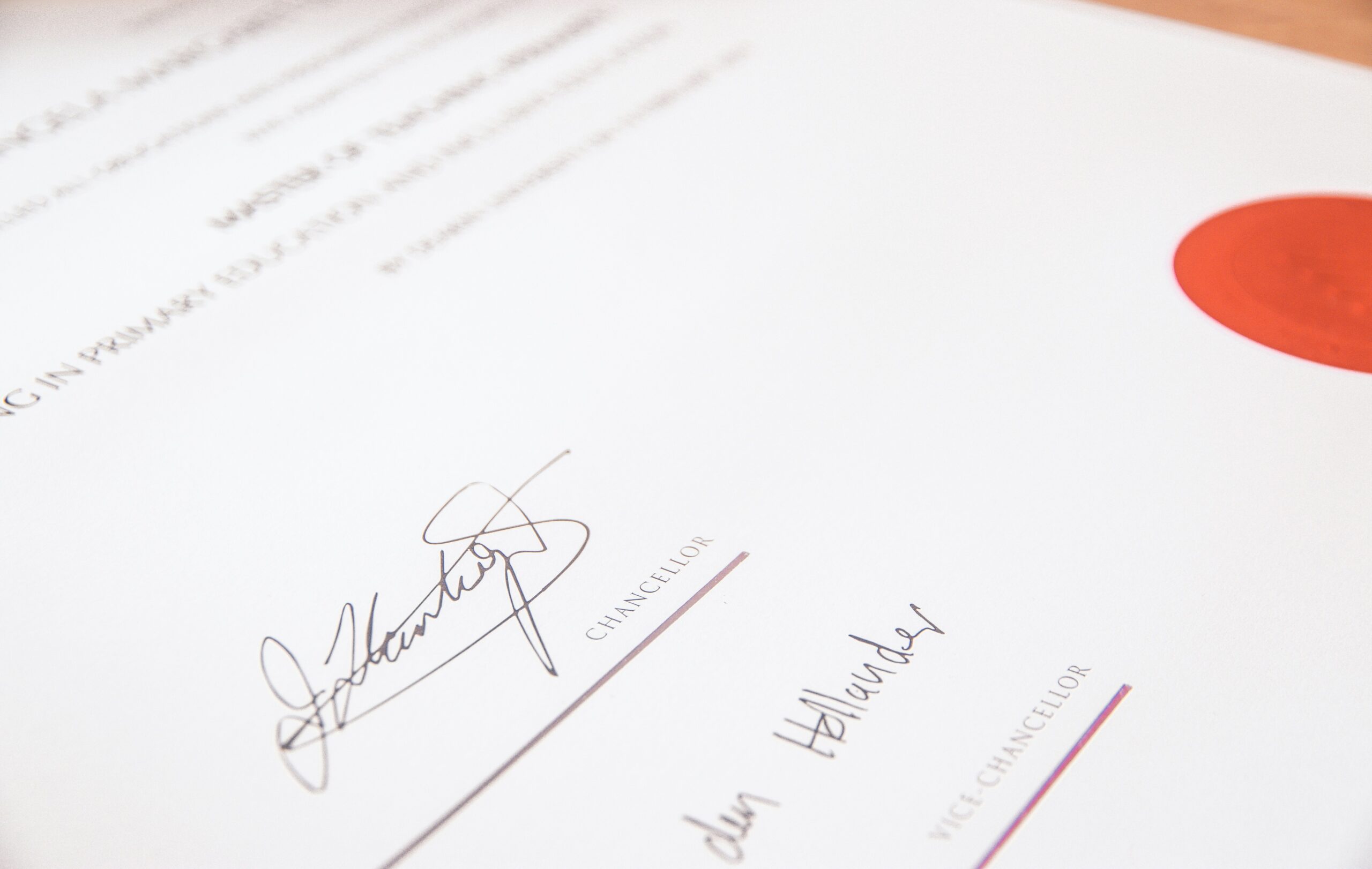

You order a certificate, pay for international shipping, wait weeks, and finally receive an answer — rejected. The reason may be painfully small: a photocopy instead of a certified copy, one missing middle name, an improperly notarized translation, or an apostille from the wrong authority.
The Apostille Convention was designed to simplify the use of public documents abroad by replacing a lengthy legalization chain with one certificate from a competent authority in the document’s country of origin. However, the issuing country controls how a document can be apostilled, while the receiving institution decides which format, language, issue date, and supporting records it will accept. Those overlapping rules create plenty of opportunities for avoidable apostille rejection.
This guide explains five common apostille mistakes, why authorities reject the documents, and how to prevent costly delays. For a quick refresher, see Apostille vs. Notarization in Korea: What’s the Difference? or Apostille vs Legalization Services.
Korean Apostille Mistakes
1. Submitting the Wrong Document Format or an Uncertified Copy
Applicants often submit a photocopy, screenshot, downloaded printout, or scanned PDF when an original government-issued document, certified copy, or official transcript is required. Even a convincing copy may be unusable if it lacks the correct signature, seal, stamp, watermark, verification number, or registrar certification.
This mistake commonly affects family relation certificates, police checks, diplomas, transcripts, court records, and privately issued employment documents. A properly issued e-document or e-Apostille may be valid, but an unofficial scan is not the same thing; recipients may also specify how an electronic record must be delivered or verified.
Why authorities reject it
An apostille authenticates the origin of a public document — usually its signature, official capacity, and seal or stamp. It does not turn an unverifiable copy into an official record. If the competent authority cannot verify the document’s origin, it may refuse to apostille it.
How to avoid it
- Request a fresh original or certified copy from the issuing office.
- Confirm whether the recipient accepts an e-document, certified copy, or only a paper original.
- Check that all pages, seals, stamps, watermarks, and attachments are present.
- Never detach the apostille from its underlying document.
- Get written instructions before sending an irreplaceable diploma or certificate.
2. Missing Notarization or Translation Problems
A translation may be accurate but still unacceptable. Depending on the destination, a Korean-to-English or Korean-to-Spanish translation may need a translator’s declaration, certification, notarization, or a separate apostille covering the notarial act.
Other problems include using an inexperienced translator, omitting handwritten notes or seals, mistranslating legal terms, and formatting names or dates inconsistently. Some procedures require notarized translations, while others accept simpler certification, so never assume one rule applies everywhere.
Why authorities reject it
An apostille does not certify the accuracy of a translation or the truth of a document’s contents. It authenticates the signature, seal, or stamp to which it relates. If a translation is notarized, the apostille generally authenticates the notarial act, not the translator’s skill.
How to avoid it
- Ask the recipient which language and translation certification it requires.
- Use a professional translator experienced with official documents.
- Translate every relevant element, including annotations and seals.
- Verify the required order of translation, notarization, and apostille.
- Keep the source, translation, notarial certificate, and apostille together.
For more detail, see You Don’t Need Korean Notary Services for Foreign Documents.
3. Seeking an Apostille in the Wrong Country or Jurisdiction
The key rule is simple: an apostille must come from a designated competent authority in the country where the document originated.
A Korean document cannot be apostilled by a foreign government merely because its owner lives abroad. Likewise, South Korea cannot apostille a U.S. FBI check. The U.S. Department of State directs applicants who need an apostille on an FBI record to its Office of Authentications. Korean law authorizes Korean authorities to issue apostilles for public documents executed in Korea for use overseas.
Why authorities reject it
A competent authority may authenticate only documents within its legal, and sometimes geographic or category-based jurisdiction. The HCCH guidance is explicit that an authority cannot apostille a foreign public document.
South Korea also has multiple designated channels for different records, including the Ministry of Foreign Affairs and Ministry of Justice. Choosing the wrong Korean authority can cause refusal or delay.
How to avoid it
- Identify the country that issued the document, not the applicant’s nationality or residence.
- Check the HCCH directory of competent authorities.
- Confirm whether jurisdiction depends on the agency, document category, state, province, or court.
- Verify whether a non-Hague destination requires embassy legalization instead.
- Confirm the correct route before shipping an original internationally.
4. Mismatched Names or Personal Details
Apostille packages often run into trouble when names or personal details differ across the document, passport, application, translation, and supporting records. Examples include missing middle names, reversed Korean name order, inconsistent Romanization, spacing or hyphen differences, maiden names without evidence, and simple typing errors.
Why authorities reject it
The apostille verifies the document’s origin; it does not prove that every differently written name belongs to the same person. If “Kim Minseo,” “Min-Seo Kim,” and “Minseo Jane Kim” appear in one file, an immigration officer, university, court, or employer may require clarification before accepting it.
How to avoid it
- Use the passport spelling as the primary reference unless instructed otherwise.
- Give the translator a passport copy and a written list of official spellings.
- Compare every name, birth date, nationality, and document number before notarization.
- Label Korean family and given names clearly when name order could cause confusion.
- Include name-change, marriage, naturalization, or discrepancy evidence when needed.
- Never edit an original yourself; request a corrected record from the issuer.
5. Ignoring Document Expiration and Time Limits
Applicants sometimes assume an apostille makes the underlying document acceptable indefinitely. In reality, the apostille and source record are assessed separately. A receiving institution may require a recently issued certificate even when the apostille itself has no stated expiration date.
Three-to-six-month freshness windows are common in immigration and civil-status procedures. Some Korean consular visa guidance requires detailed family relation documents issued within three months.
Why authorities reject it
Police, family, and civil-status records describe circumstances as of a particular date. Apostilling an old certificate authenticates its origin; it does not make the information current.
How to avoid it
- Download the receiving institution’s latest checklist before ordering records.
- Calculate validity from the source document’s issue date unless told otherwise.
- Work backward from your deadline, allowing time for translation, notarization, apostille, and delivery.
- Do not request short-validity documents too early.
- When timing is uncertain, obtain a fresh certificate instead of risking rejection.
How KoreanApostille.com Helps You Avoid Rejection
KoreanApostille.com provides remote assistance with Korean document procurement, translation, notarization, apostille or embassy legalization, and worldwide delivery. That end-to-end review helps address all five mistakes before they become expensive problems.
Document verification before submission
The team pre-screens certificates, degrees, criminal records, and legal documents for the proper format, issuing authority, destination, issue date, and likely MOFA or other competent-authority requirements. Missing seals, unsuitable copies, jurisdiction errors, and translation needs can be identified before submission.
Document procurement services
If you live outside South Korea and cannot collect a new original, KoreanApostille.com can obtain eligible documents from Korean government offices, or other institutions on your behalf, subject to the necessary authorization. Processing can then continue with a fresh, official record instead of an outdated scan.
Professional translation and notarization
KoreanApostille.com coordinates Korean-English and Korean-other language translation, licensed Korean notarization where required, and the appropriate authentication route. Names, dates, numbers, legal terms, and formatting are checked against the source documents and identification records.
Secure submission and express delivery
Clients can use a secure document-upload option for an initial review instead of sending sensitive files through ordinary email. Completed documents can then be shipped internationally, providing faster, trackable delivery.
A plain photocopy, missing notarization, wrong authority, inconsistent name, or expired certificate can cost weeks of delay, repeat shipping, and additional filing fees. Verify the format, destination rules, competent authority, translation requirements, and validity window before beginning the apostille process.
Contact KoreanApostille.com for a risk-free initial review.